
If you’re planning to study abroad, get married in another country, apply for dual citizenship, accept an international job opportunity, or expand your business overseas, you’ve probably come across the term apostille. Many people hear the word for the first time when a foreign government, employer, university, or embassy asks them to provide an apostille certificate for their documents.
While the process may sound complicated, understanding what an apostille is and when you need one can make international document preparation much easier.
At The Document Angel™, we help individuals, families, and businesses with nationwide apostille services for documents issued anywhere in the United States. Whether you need a birth certificate apostille, marriage certificate apostille, diploma apostille, or authentication for business documents, understanding the process is the first step toward ensuring your documents are accepted internationally.
What Is an Apostille?
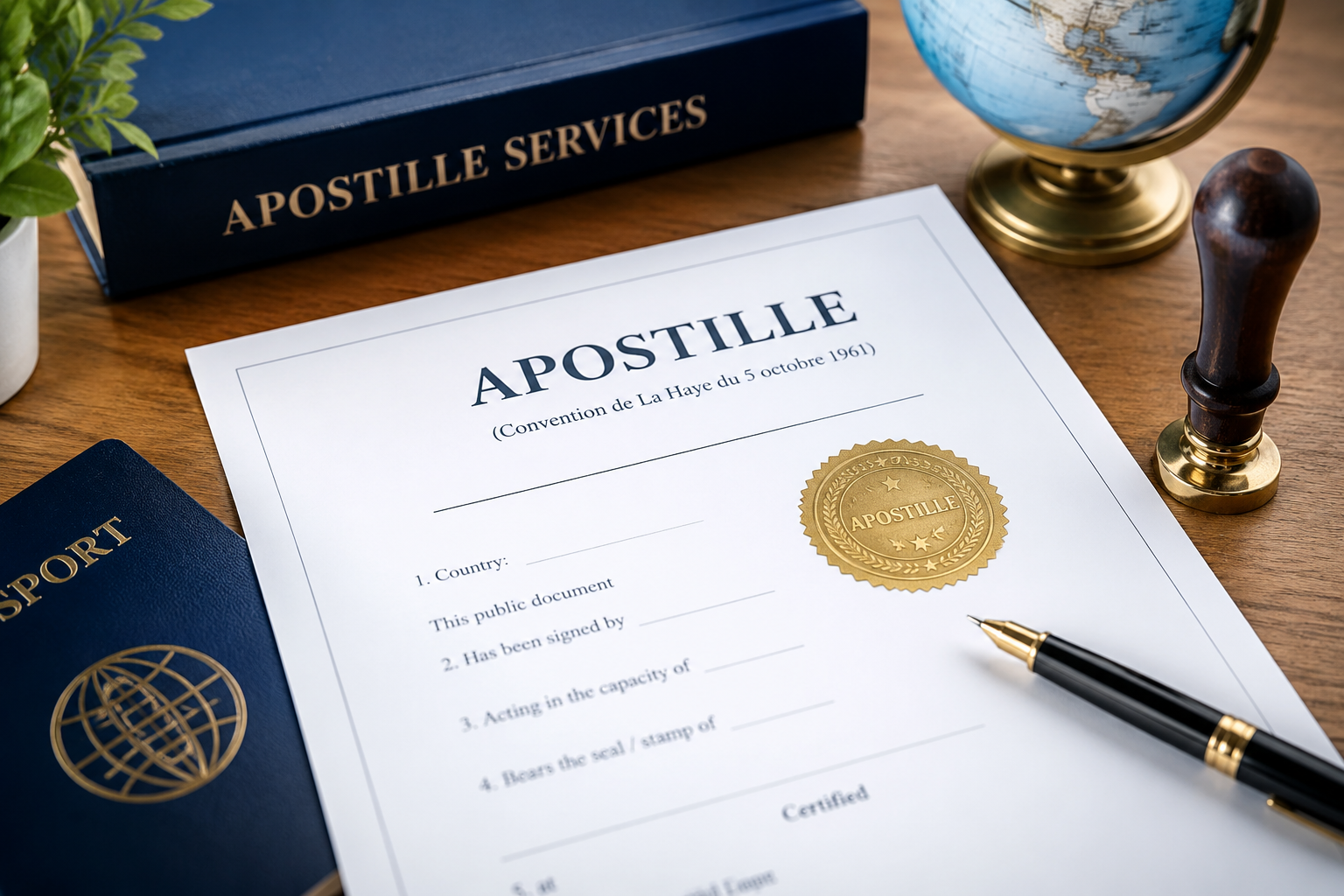
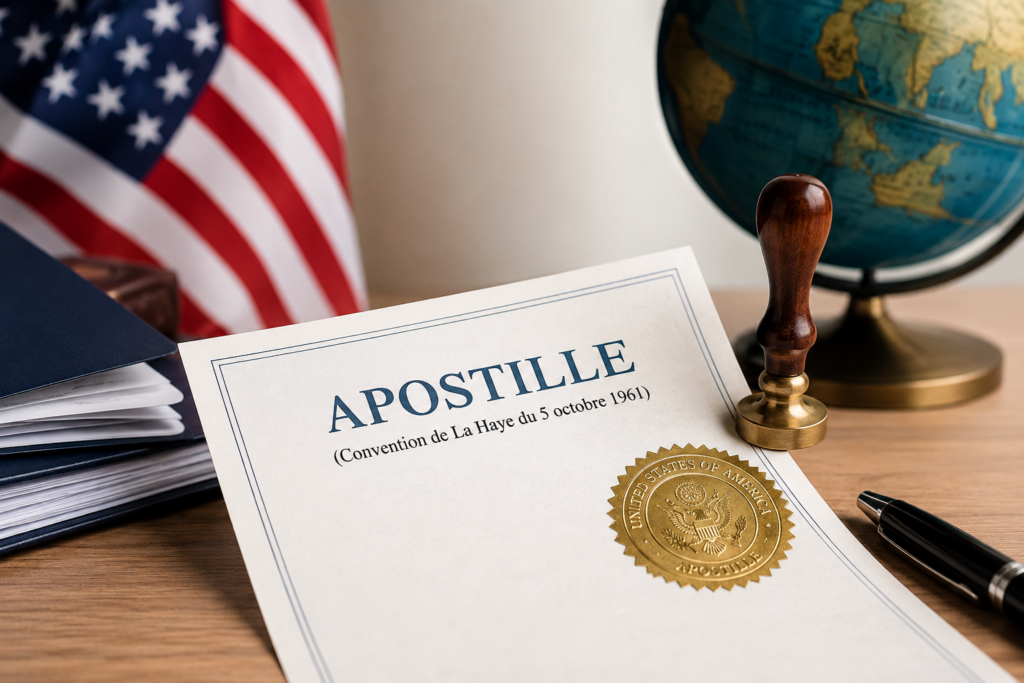
An apostille is an official certificate that verifies the authenticity of a public document so it can be recognized in another country that is a member of the Hague Apostille Convention.
Rather than verifying the information contained in a document, an apostille confirms that the signature, seal, or stamp on the document is genuine and was issued by an authorized government official. This additional certification allows foreign authorities to accept the document without requiring further legalization.
In simple terms, an apostille acts as an internationally recognized form of authentication for certain official documents.
For example, if you’re moving from the United States to Spain, Portugal, Germany, or another participating country, the receiving government may require an apostille before accepting your birth certificate, marriage certificate, diploma, or other official records.
Why Is an Apostille Important?
Different countries have different legal requirements for accepting documents issued abroad. Without proper authentication, your documents may not be accepted by foreign government agencies, educational institutions, employers, or courts.
An apostille helps confirm that your document was issued by a legitimate authority, making it easier for participating countries to recognize it.
People commonly require apostille services when:
- Applying for a work visa
- Studying at an international university
- Getting married abroad
- Applying for dual citizenship
- Purchasing property overseas
- Registering a business internationally
- Completing immigration paperwork
- Accepting employment in another country
- Applying for a Digital Nomad Visa
- Handling legal or financial matters overseas
Each country has its own documentation requirements, which is why it’s important to verify exactly what is needed before submitting your paperwork.
What Does an Apostille Certificate Do?
An apostille certificate confirms the authenticity of:
- The government official’s signature
- The official seal or stamp
- The authority of the person who signed the document
It does not certify the accuracy of the document’s contents. Instead, it verifies that the document itself is officially recognized and eligible for international use.
For example, if you have a certified birth certificate issued by your state’s vital records office, an apostille confirms that the issuing authority is legitimate. This allows foreign governments to rely on the authenticity of the document.
Which Countries Accept Apostilles?
More than 120 countries recognize apostilles under the Hague Apostille Convention.
Some of the countries where clients commonly need apostilled documents include:
- Spain
- Germany
- Portugal
- Poland
- Croatia
- France
- Italy
- Australia
- Japan
- South Korea
- Mexico
- The Netherlands
These documents are often required for immigration, education, employment, international business, property ownership, and legal matters.
If your destination country is not a member of the Hague Convention, your documents may require legalization instead of an apostille. Understanding this distinction can help you avoid unnecessary delays.
Apostille vs. Notarization: What’s the Difference?
One of the most common misconceptions is that notarization and an apostille are the same thing. While they are related in some situations, they serve different purposes.
A notary public verifies the identity of the person signing a document and witnesses the signature according to state laws. Notarization helps prevent fraud and confirms that the signer appeared before the notary.
An apostille, on the other hand, authenticates the official signature or seal on a document so that it can be accepted internationally.
In many cases, privately prepared documents—such as powers of attorney, affidavits, or business agreements—must first be notarized before they can qualify for an apostille. Government-issued documents, such as certified birth or marriage certificates, often follow a different process depending on the issuing state.
Understanding the difference between notarization and apostille services helps ensure your documents are prepared correctly the first time.
Why Professional Apostille Services Can Help
Preparing documents for international use often involves multiple steps, and requirements can vary depending on the document type, issuing state, and destination country.
Working with an experienced apostille service can help simplify the process by:
- Explaining document requirements
- Identifying the correct authentication process
- Reviewing documents before submission
- Helping reduce avoidable delays
- Providing guidance throughout the process
- Answering questions about different document types
Whether you’re preparing one document or several, having knowledgeable assistance can make the process easier to understand and navigate.
When Do You Need an Apostille?
You may need an apostille whenever an official document issued in the United States must be presented in another country that recognizes the Hague Apostille Convention. An apostille helps foreign authorities verify that the document was issued by a legitimate government office or properly notarized, allowing it to be accepted for international use.
Although requirements vary by country and document type, apostille services are commonly needed for personal, educational, legal, and business purposes.
Some of the most common situations include:
- Applying for dual citizenship
- Studying at a foreign university
- Accepting a job overseas
- Applying for a Digital Nomad Visa
- Getting married in another country
- International adoption
- Purchasing property abroad
- Opening overseas bank accounts
- Starting or expanding a business internationally
- Immigration and residency applications
Before submitting any documents, it’s always a good idea to confirm the requirements of the destination country to ensure you have the correct documentation.
Documents That Can Be Apostilled
Many different types of documents may qualify for an apostille. The required process depends on whether the document was issued by a government agency or prepared privately and notarized.
At The Document Angel™, we assist clients with a wide variety of documents that are commonly used for international purposes.
Birth Certificate Apostille
A birth certificate apostille is one of the most frequently requested services.
People often need an apostilled birth certificate when:
- Applying for dual citizenship
- Moving abroad
- Applying for residency
- International adoption
- Foreign passport applications
- Marriage overseas
- Immigration requirements
Most countries require a certified copy of the birth certificate issued by the appropriate state authority before an apostille can be issued.
Marriage Certificate Apostille
If you’re planning to relocate internationally or register your marriage in another country, you may need a marriage certificate apostille.
Marriage certificates are commonly requested for:
- Residency applications
- Immigration paperwork
- Spouse visa applications
- International marriage registration
- Family legal matters abroad
An apostille helps verify the authenticity of the official marriage certificate so it can be recognized internationally.
Death Certificate Apostille
Families handling international legal matters may require an apostille for a death certificate.
Common situations include:
- Estate administration
- Inheritance claims
- Insurance matters
- Property transfers
- International probate proceedings
Because these situations can be time-sensitive, it’s important to understand the document requirements before beginning the authentication process.
Diploma & Educational Document Apostille
Students, graduates, teachers, and professionals often need educational documents authenticated before studying or working overseas.
Common educational documents include:
- University Diplomas
- College Degrees
- Academic Transcripts
- High School Diplomas
- Certificates of Completion
- Professional Certifications
- Educational Records
Many universities, employers, and licensing authorities require educational documents to be apostilled before they will be accepted internationally.
Power of Attorney Apostille
A Power of Attorney often requires an apostille when authorizing someone to act on your behalf in another country.
These documents are commonly used for:
- Real estate transactions
- Financial matters
- Business representation
- Family legal matters
- Property management abroad
In many cases, a Power of Attorney must first be notarized before it can proceed through the apostille process.
Financial Documents
Financial records may also require authentication for international banking or investment purposes.
Examples include:
- Bank Letters
- Financial Statements
- Tax Documents
- Affidavits
- Investment Records
- Asset Verification Documents
Requirements vary depending on the receiving institution and destination country.
Business & Corporate Documents
Companies expanding internationally often require apostilles for corporate records.
Common business documents include:
- Articles of Incorporation
- Certificates of Good Standing
- Operating Agreements
- Corporate Resolutions
- Commercial Contracts
- Business Licenses
- Company Formation Documents
Authenticating these documents helps businesses conduct international operations with greater confidence.
How Does the Apostille Process Work?
While the exact process varies by state and document type, the apostille process generally follows the same basic steps.
Step 1 – Identify the Document
Determine which document needs to be used internationally and verify whether it qualifies for an apostille.
Step 2 – Confirm the Requirements
Different countries and document types have different requirements. Some documents must be certified copies, while others require notarization before they can receive an apostille.
Step 3 – Prepare the Document
Make sure the document is complete, properly signed, and issued by the appropriate authority when required.
Step 4 – Submit for Apostille
The document is submitted to the appropriate government office responsible for issuing apostilles in the state where the document originated.
Step 5 – Receive the Apostilled Document
Once processing is complete, the document is returned with the attached apostille certificate, making it ready for use in participating countries.
Why Requirements Can Vary
One of the biggest sources of confusion is that apostille requirements are not the same in every state. Each state has its own procedures, accepted document formats, and processing requirements. In addition, destination countries may ask for specific supporting documents or translations.
Understanding these differences before submitting your paperwork can help reduce delays and ensure the process moves as smoothly as possible.
Apostille vs. Legalization: What’s the Difference?
Although the terms apostille and legalization are often used interchangeably, they are not the same. The process you need depends on the country where your documents will be used.
An apostille is used for countries that are members of the Hague Apostille Convention. It provides a simplified method of authenticating public documents so they can be accepted internationally without additional embassy or consulate certification.
Legalization, on the other hand, is generally required for countries that are not members of the Hague Convention. This process often involves additional verification from state or federal authorities, followed by authentication from the destination country’s embassy or consulate.
Because every country has its own requirements, it’s important to confirm which process applies before submitting your documents. Understanding this distinction can help avoid unnecessary delays and ensure your documents are prepared correctly.
Common Mistakes to Avoid
Preparing documents for international use can sometimes be confusing, especially if it’s your first time requesting an apostille. Avoiding common mistakes can save time and help prevent delays.
Using the Wrong Document
Some countries require certified copies issued by a government agency, while others may accept notarized documents. Submitting the wrong version can delay the process.
Not Confirming Country Requirements
Each destination country may have different documentation requirements. Always verify what is needed before submitting your paperwork.
Assuming Every Country Uses Apostilles
Not all countries accept apostilles. If your destination country is not part of the Hague Apostille Convention, legalization may be required instead.
Waiting Until the Last Minute
International applications often have strict deadlines. Starting the process early provides extra time in case additional documents or corrections are needed.
Forgetting Supporting Documents
Depending on your situation, translations, identification, or other supporting paperwork may also be required. Reviewing all requirements in advance helps make the process smoother.
Frequently Asked Questions
What is an apostille?
An apostille is an official certificate that verifies the authenticity of a public document so it can be recognized in another country that participates in the Hague Apostille Convention.
What documents can receive an apostille?
Many official documents may qualify, including:
- Birth Certificates
- Marriage Certificates
- Death Certificates
- Divorce Decrees
- Diplomas
- Academic Transcripts
- Powers of Attorney
- Business Documents
- Financial Documents
- Court Documents
Requirements may vary depending on the issuing state and destination country.
Do all countries accept apostilles?
No. Only countries that participate in the Hague Apostille Convention recognize apostilles. Other countries may require document legalization through their embassy or consulate.
Can business documents be apostilled?
Yes. Many companies require apostilles for documents such as Articles of Incorporation, Certificates of Good Standing, Commercial Contracts, Operating Agreements, and other corporate records used internationally.
Is notarization the same as an apostille?
No. A notary public verifies the identity of the signer and witnesses signatures. An apostille authenticates the official signature or seal on a document for international use.
Some privately prepared documents must first be notarized before they can receive an apostille.
Can I get an apostille for educational documents?
Yes. Universities, employers, licensing authorities, and foreign governments often require apostilles for diplomas, degrees, transcripts, and other educational records before they can be accepted abroad.
How long does the apostille process take?
Processing times vary depending on the issuing state, document type, and current workload of the government office responsible for issuing apostilles. Some situations may also require additional preparation before submission.
Nationwide Apostille Services You Can Trust
Whether you’re preparing documents for international employment, studying abroad, immigration, dual citizenship, overseas marriage, business expansion, or legal matters, understanding the apostille process is the first step toward ensuring your documents are accepted internationally.
At The Document Angel™, we proudly assist individuals, families, and businesses with nationwide apostille services for documents issued across all 50 states. We understand that every document and every situation is unique, which is why we focus on providing clear guidance and dependable support throughout the process.
From birth certificates and marriage certificates to diplomas, powers of attorney, financial records, and business documents, we help clients understand the requirements for preparing documents for international use.
If you’re unsure whether your documents require an apostille or legalization, or you have questions about the process, we’re here to help you understand your options.
Contact The Document Angel™ today to learn more about our nationwide apostille services and how we can assist with your document authentication needs.
Final Thoughts
An apostille plays an important role in ensuring official documents issued in the United States are recognized in participating countries around the world. Whether you’re handling personal, educational, legal, or business documents, understanding the process can help you avoid unnecessary delays and move forward with confidence.
By learning what an apostille is, when it’s required, which documents qualify, and how the process works, you’ll be better prepared for international document requirements.
If you need guidance with apostille services, document authentication, or understanding the requirements for your destination country, The Document Angel™ is committed to providing professional support and clear communication every step of the way.